Skip to content
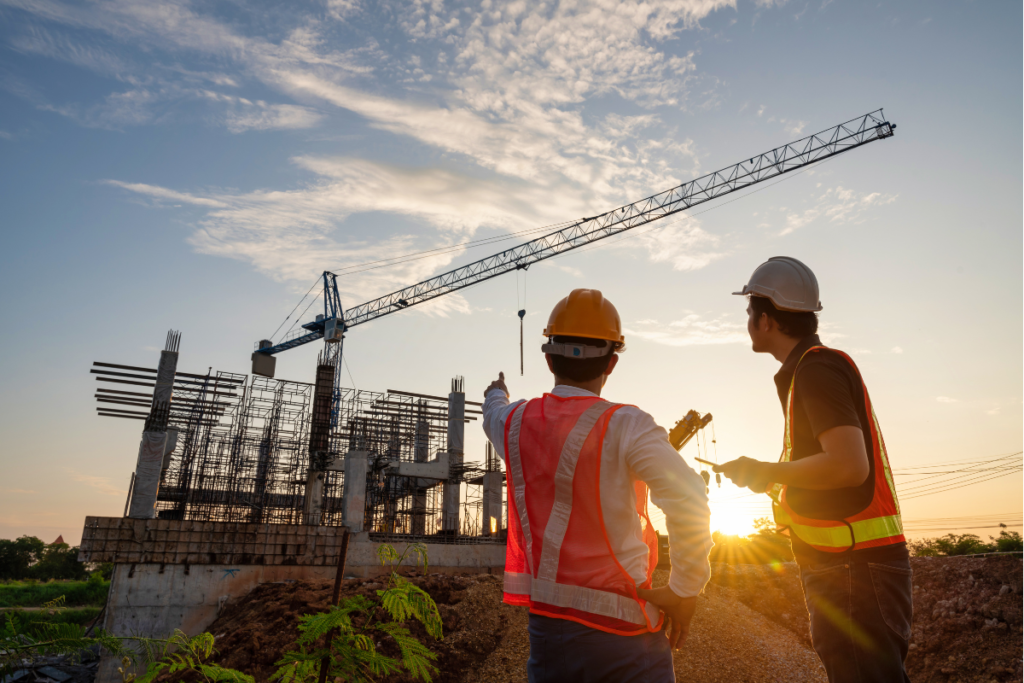
Build or remodel with desert-smart expertise. General contracting in Palmdale, CA with honest pricing, code compliance, and materials built for the Mojave.
Your kitchen cabinets are still the builder-grade oak from 1992. The stucco has hairline cracks running from the roofline to the foundation. The backyard patio cover is leaning after last summer’s windstorm, and your energy bill keeps climbing no matter how high you set the thermostat. You have been putting off the renovation because every contractor you have called either ghosted you after the first visit or quoted a price that made you laugh out loud. General contracting in Palmdale, CA is not just about swinging hammers and pouring concrete — it is about building and remodeling homes that survive a desert climate that destroys shortcuts. At Joshuas Builders Inc, we have worked on enough homes across the Antelope Valley to know what separates a project that adds value from one that becomes a money pit.
What General Contracting Actually Covers
A general contractor is the licensed professional who coordinates all aspects of a construction or remodeling project: hiring and supervising subcontractors, obtaining permits, scheduling inspections, managing material deliveries, ensuring code compliance, and maintaining quality control from demolition through final walkthrough. The scope ranges from kitchen and bathroom renovations to room additions, ADU construction, whole-house remodels, and ground-up custom homes. In California, general contractors must carry a Class B license from the Contractors State License Board, maintain general liability and workers compensation insurance, and pull permits for any work exceeding $500 in labor and materials.
In Palmdale, CA, we have noticed that most homeowners underestimate the complexity of even “simple” projects. A kitchen remodel in the Antelope Valley involves more than cabinets and countertops — it requires electrical load calculations to handle modern appliances, plumbing modifications that meet California Plumbing Code, ventilation ducting that accounts for extreme temperature swings, and structural assessment if walls are being removed. The desert climate adds layers that contractors from milder regions never consider: thermal expansion that cracks stucco, UV degradation that destroys standard exterior materials, and soil conditions that demand specific foundation approaches.
The California Building Code, which Palmdale adopted with local amendments including a 20 psf snow load requirement, governs all residential construction. The city requires permits for structural changes, electrical work, plumbing modifications, and mechanical systems. All applications submit through the Accela Citizen Portal, and inspections schedule online. Skipping permits voids insurance coverage and creates disclosure issues when selling.
The Real Challenge in Palmdale, CA
Palmdale sits in the Mojave Desert’s Antelope Valley, where summer temperatures regularly exceed 105 degrees, winter nights drop below freezing, and the sun beats down with UV intensity that degrades materials faster than almost anywhere in the continental United States. The city faces extreme drought risk, very high heat risk, and significant wildfire exposure — about 89% of buildings in Palmdale are at risk of wildfire, with 83 census tracts where more than a quarter of buildings have significant fire risk. The rock and clay geology of the soils creates foundation challenges that contractors from other regions rarely encounter.
The housing stock adds complexity. Palmdale grew rapidly during the 1980s and 2000s, with large tracts of stucco-over-frame construction built quickly to meet demand. Many of these homes now need significant updates: electrical panels that can’t handle modern loads, original galvanized plumbing nearing failure, stucco with inadequate moisture barriers, and HVAC systems sized for smaller homes with less insulation. The combination of aging infrastructure and extreme climate creates renovation challenges that require specialized knowledge.
A client in Palmdale reached out when their room addition project had been stalled for four months. Their previous contractor had poured a standard foundation without accounting for the expansive clay soil common in the Antelope Valley, and the slab had cracked within weeks. The contractor then abandoned the job. We removed the failed slab, installed a post-tensioned slab designed for clay soil movement, and rebuilt the addition with proper moisture barriers and thermal breaks. The project passed inspection on the first visit and has shown no movement through two full seasonal cycles.
The objection most competitors ignore: “How do I know I am getting a fair price and not just paying for a contractor’s new truck?” Affordable general contracting in Palmdale, CA exists, but the real savings come from accurate scope definition and material honesty. Many contractors pad estimates with unnecessary upgrades or underbid by omitting critical infrastructure work, then hit homeowners with change orders once walls are open. The gap in the market is transparent pricing tied to a detailed scope of work — showing exactly what your home’s existing systems require versus what the finishes cost, so you can make informed decisions without surprises.
How Joshuas Builders Inc Approaches It Differently
Most contractors in the Antelope Valley treat projects as production work: template the job, order standard materials, send the same crew regardless of conditions, and move to the next job. We do not work that way. Every project starts with a site evaluation that includes soil assessment, structural evaluation, electrical capacity testing, and moisture readings on walls and slabs. We identify problems before demolition starts, not after your walls are open and you are living in a construction zone.
Professional general contracting in Palmdale, CA means understanding the specific conditions that desert homes face. We specify elastomeric exterior coatings that flex with thermal expansion rather than standard paint that cracks within a year. We use post-tensioned or raft slab foundations where clay soil movement is a concern. We install radiant barrier roof sheathing and proper attic ventilation to reduce cooling loads. We select windows with low solar heat gain coefficients and proper UV protection. These details do not show up in design magazines, but they determine whether your home survives the Mojave summer without constant repair.
Here is the insight most generic articles never mention: your home’s orientation and shading strategy affects energy costs and material longevity more than your insulation R-value does. West-facing walls absorb intense afternoon heat that destroys siding and drives cooling costs through the roof. Properly designed overhangs, shade screens, and strategic tree placement reduce surface temperatures by 20–30 degrees. We have seen identical floor plans vary by $200 per month in cooling costs simply because of smart orientation and shading decisions made during design. Most contractors never discuss this because it requires planning before construction starts, not just material selection.
Practical Tips: What to Know Before You Decide
If you are comparing contractor quotes, ask specifically about permit handling, soil assessment for foundation work, material specifications for desert exposure, and whether the estimate includes all required inspections. Any contractor who says “permits are optional for this” or “we will handle it after the fact” is creating serious liability for you. Palmdale requires permits for virtually all construction work, and the Building and Safety Division enforces the California Building Code with local amendments. Unpermitted work must be disclosed when selling and can void your homeowner’s insurance.
Working with clients in Palmdale, CA, our team found that homeowners who get the best long-term results are the ones who think about maintenance and durability before aesthetics. Stucco with a proper drainage plane and weep screed lasts decades; stucco without it traps moisture and rots framing. Metal roofing with reflective coatings reduces cooling costs and lasts 50 years; standard asphalt shingles bake and curl within 15 years in the desert sun. These infrastructure decisions cost more upfront but eliminate the cycle of constant repairs that cheap construction creates.
One local market-specific tip: Palmdale’s extreme temperature swings — from 105-degree days to 40-degree nights — cause thermal expansion and contraction that standard construction materials cannot handle. We specify flexible sealants at all exterior joints, expansion joints in concrete work, and clip-fastened siding rather than face-nailed boards that buckle. We also recommend whole-house fans and nighttime ventilation strategies that flush accumulated heat for free, reducing AC runtime by 30–40% during shoulder seasons. These desert-specific strategies save thousands in energy costs over the life of the home.
Trusted general contracting in Palmdale, CA comes down to three things: materials and methods specified for desert conditions, honest assessment of what your home actually needs, and permit documentation that protects your investment. If a quote seems too good to be true, it usually means shortcuts — unpermitted electrical, substandard materials, no soil assessment, or no moisture protection behind wet walls.
Why Your Palmdale Home Deserves More Than a Quick Fix
The difference between a renovation that adds value for decades and one that becomes a source of problems is not the countertop material — it is the planning and expertise that happened before the first tool came out. The Mojave Desert punishes shortcuts harder than milder climates. The same UV that fades your car’s dashboard in a single summer destroys exterior paint and caulking. The same clay soil that cracks your driveway shifts foundations and separates walls from slabs. A home built or remodeled with proper materials, correct sequencing, and honest infrastructure assessment outlasts trends and weather alike.
Conclusion
If your home needs renovation, your addition plans are ready, or you are tired of repairs that fail before the next season, the question is not whether to hire help — it is whether you hire a partner who understands what Palmdale’s climate and soil actually demand. Joshuas Builders Inc provides general contracting in Palmdale, CA with the structural knowledge, code compliance, and material selection that match what Antelope Valley homes actually need. Schedule a free project consultation and we will show you exactly what your home requires.
FAQs
How much does a general contractor cost in Palmdale, CA?
A typical kitchen remodel runs $25,000–$55,000, bathroom renovations $15,000–$35,000, and room additions $80,000–$150,000 depending on scope and finishes. Custom homes in Palmdale range from $200–$350 per square foot. Permits and inspections add $1,000–$5,000. Quotes significantly below these ranges often exclude permits, use substandard materials, or plan for change orders later.
How do I know a general contractor is legitimate and qualified?
Verify their California Class B contractor license through the CSLB, confirm general liability and workers compensation insurance, and ask for local permit references. Qualified contractors explain their inspection schedule, provide written warranties, and never suggest skipping permits. Unlicensed operators create serious legal and financial liability that homeowners bear.
Do I need a permit for home remodeling in Palmdale?
Yes. The City of Palmdale requires permits for structural changes, electrical work, plumbing modifications, mechanical systems, and most construction exceeding $500. All applications submit through the Accela Citizen Portal, and inspections must be scheduled online. Unpermitted work must be disclosed when selling and can void insurance coverage.
How does desert climate affect home construction in Palmdale?
Extreme heat, intense UV, and wide temperature swings degrade standard materials rapidly. Clay soils expand and contract, stressing foundations. Wildfire risk requires fire-resistant materials and defensible space planning. Drought conditions affect landscaping and drainage. Proper desert construction specifies UV-resistant coatings, flexible sealants, post-tensioned slabs, and energy-efficient designs that reduce cooling loads.
What materials hold up best in Palmdale’s desert climate?
Elastomeric exterior coatings, metal or tile roofing with reflective surfaces, vinyl or fiberglass windows with low-E coatings, and concrete or masonry walls outperform standard materials. Interior materials should handle low humidity — solid wood cabinets may crack, while engineered wood with proper humidity control performs better. HVAC systems need proper sizing for extreme heat loads, not just square footage calculations.