Rosamond, CA homeowners rely on the best water damage restoration services for fast, honest help. Reach out today for a free estimate and quick response.
A cracked supply line behind the washing machine can flood a Rosamond garage in under an hour, and by the time most homeowners notice the stain spreading across the ceiling, water has already soaked into the drywall and subfloor. That’s the kind of call our crew at Joshuas Builders Inc gets almost every week across the Antelope Valley. Finding the best water damage restoration services in Rosamond isn’t only about pulling up soggy carpet — it’s about stopping mold before it starts, saving the wood framing underneath, and getting the house back to normal before a small leak turns into a five-figure repair.
Homeowners here often assume water problems are a coastal or humid-climate issue. They’re not. Dry heat and cracked soil create their own version of the same headache, just with a different set of causes.
What Water Damage Restoration Actually Involves
Water damage restoration is the process of removing standing water, drying out the structure, and repairing anything the moisture touched before mold or rot can take hold. It sounds simple until you’re the one standing in ankle-deep water at 11 p.m., unsure whether your insurance will even cover it.
A proper restoration job usually includes:
- Water extraction using truck-mounted or portable pumps
- Moisture mapping with thermal cameras and hygrometers to find hidden pockets behind walls
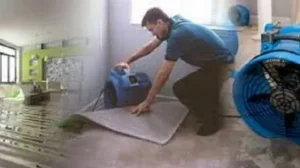
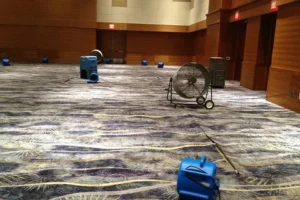
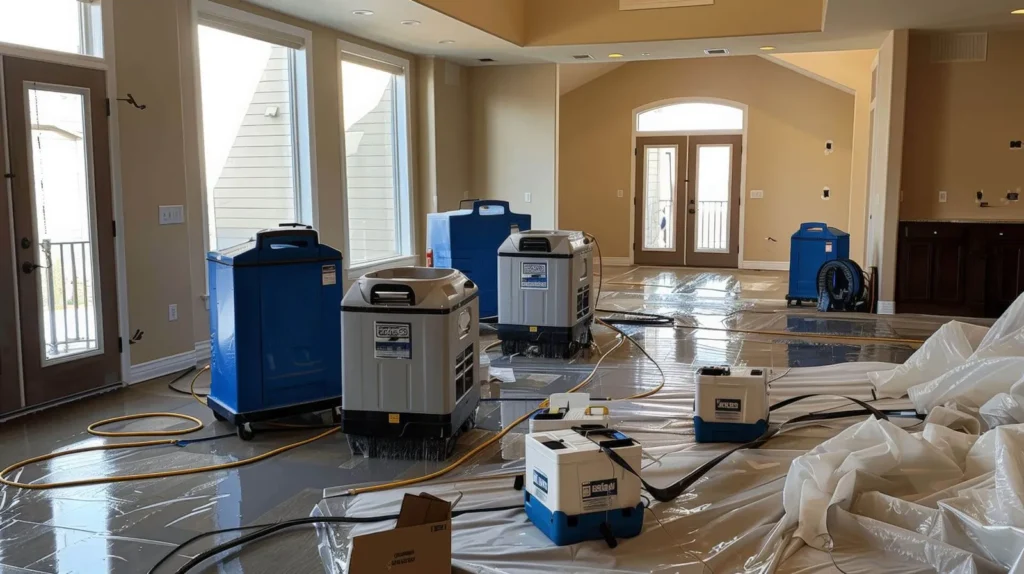
- Industrial air movers and dehumidifiers to dry framing and flooring
- Antimicrobial treatment to prevent mold colonization
- Repair or replacement of drywall, insulation, flooring, and cabinetry
In Rosamond, we’ve noticed that most homeowners try to handle the first few hours themselves — towels, fans, maybe a wet-dry vac — before realizing the water has already wicked up the drywall two feet higher than they can see. By the time a professional water damage restoration services in Rosamond crew arrives, the visible puddle is often the smallest part of the problem.
The Real Challenge in Rosamond
This high desert stretch of Kern County doesn’t get much rain, but when it comes, it comes fast. Summer monsoon storms can dump an inch of water in twenty minutes onto hardpan soil that barely absorbs anything, sending runoff straight toward foundations, garages, and low-lying additions. Add in the evaporative “swamp” coolers that so many local homes rely on to fight the heat, and you’ve got a second common source of leaks — worn pads and clogged drain lines that quietly soak attic insulation for weeks before anyone notices a stain.
A client in Rosamond reached out when they noticed a musty smell coming from a hallway closet after a rough monsoon week. There was no obvious puddle, no dramatic flooding — just a faint odor and a slightly soft patch of carpet near the exterior wall. Moisture readings showed the subfloor had been wet for close to ten days from a clogged weep hole that let runoff seep under the slab edge. Mold had already started forming behind the baseboard.
That case points to an objection we hear constantly and that most companies never really answer: is it worth paying for professional help when the water damage looks minor? The honest answer is that visible damage rarely tells the whole story. Category 2 and 3 water — the kind carrying contaminants from runoff, septic backup, or standing floodwater — can look like a small stain on the surface while active mold growth is already underway inside the wall cavity. Skipping trusted water damage restoration services in Rosamond to save a few hundred dollars upfront often costs several thousand more once mold remediation becomes necessary.
How Joshuas Builders Inc Approaches Restoration Differently
Most articles on this topic stop at “call a professional” without explaining what separates a rushed cleanup from one that actually holds up. Our approach starts with documentation, not just extraction. Every job gets photographed, moisture-mapped, and logged before drying equipment goes in, because insurance adjusters want proof of the original damage, not just an invoice for the repair.
We also monitor drying progress daily rather than dropping off fans and returning a week later. Rosamond’s low humidity is actually an advantage here — air movers and dehumidifiers work faster in dry desert air than they would in a coastal climate — but that speed can create a false sense of “it’s dry enough” if nobody is checking moisture readings with a meter instead of a guess. Skipping that step is one of the more common gaps we see in generic restoration advice: drying isn’t done when the surface feels dry, it’s done when the readings inside the material match the surrounding baseline.
For homes on well water or septic systems, which are common on Rosamond’s outer edges, we also check for cross-contamination before starting repairs, since a septic-related backup requires different sanitizing protocols than a burst supply line. That distinction matters for both safety and for what insurance will approve.
Practical Tips: What to Know Before You Decide
Working with clients in Rosamond, our team found that a few simple habits prevent most of the worst damage we get called out for. Before you’re in an emergency, it helps to know the basics:
- Locate your home’s main water shutoff valve now, not during a flood
- Check evaporative cooler pads and drain lines each spring before the heat sets in
- Keep gutters and weep holes clear ahead of monsoon season, typically July through September
- Photograph any water damage immediately, before cleanup begins, for insurance purposes
- Avoid running a household fan on visibly contaminated water — it can spread airborne contaminants
One local-market detail worth knowing: because Rosamond sits between larger service hubs like Lancaster and Palmdale, some restoration companies quote fast response times that don’t hold up once you’re actually flooding. Ask directly how quickly a crew can be on-site, not just how quickly they can schedule an estimate. Affordable water damage restoration services in Rosamond only save money if the response is actually fast enough to limit the damage in the first place.
When to Call for Help in Rosamond
Not every wet spot needs a professional crew, but any water that’s been sitting for more than a day, any smell of mildew, or any damage tied to a storm or a backup line is worth a same-day inspection rather than a wait-and-see approach. water damage restoration services handles water damage restoration throughout Rosamond with the moisture mapping, sanitizing, and repair work needed to close out a claim properly the first time. If you’re staring at a stain and wondering whether it’s serious, a quick assessment usually answers that faster than guessing ever will.
Conclusion
Water damage in a high desert town rarely announces itself the way a flooded coastal home does — it’s quieter, slower, and easier to underestimate until the drywall is already compromised. Acting within the first 24 to 48 hours, understanding what your insurance actually covers, and choosing a crew that documents the process rather than rushing through it are the three things that consistently separate a manageable repair from a costly one. If you’re dealing with a leak, a monsoon runoff issue, or a cooler that’s been dripping longer than you’d like to admit, getting a professional opinion sooner rather than later is almost always the cheaper path.
FAQs
1. How much does water damage restoration cost in Rosamond?
Costs vary based on the size of the affected area, the water category, and whether mold remediation is needed. Minor single-room jobs often start in the low thousands, while larger structural drying and repair projects can run higher. Getting an on-site assessment is the only way to get an accurate number for your situation.
2. How do I know a restoration company is legitimate?
Look for IICRC certification, proof of general liability insurance, and a physical local presence rather than just a call center number. Ask for references from recent jobs in your area and confirm they’ll document moisture readings throughout the drying process, not just at the start and end.
3. Will my homeowners insurance cover water damage repairs?
It depends on the cause. Sudden, accidental events like a burst pipe are typically covered, while damage from long-term neglect, gradual leaks, or flooding without separate flood coverage often isn’t. Review your policy’s water damage exclusions and document everything before cleanup starts.
4. How long does the drying process take?
Most structures dry within three to five days with proper equipment, though this depends on how much material absorbed water and how long it sat before treatment began. Rosamond’s dry climate can actually speed this up, but drying time should always be confirmed with moisture meter readings, not a fixed schedule.
5. Can I stay in my home during restoration?
In many cases, yes, especially for contained leaks affecting a single room. Larger jobs involving sewage contamination, extensive mold, or major structural drying may require temporary relocation for safety and to allow equipment to run without disruption. A technician can tell you which situation applies during the initial inspection.