Build or renovate with confidence in Lancaster. A general contractor in Lancaster handles permits, codes, and local conditions. Call to plan your project today.
You bought the house for the location, the yard, or the potential. Now you’re staring at a kitchen that hasn’t been updated since the 1980s, or a roof that’s starting to sag, or an addition you desperately need but have no idea how to start. Every contractor you call gives you a different timeline, a different price, and a different story about what’s actually wrong. This perspective comes from Joshua’s Builders Inc, a team that’s spent years working with homeowners across Lancaster County on everything from full renovations to new builds. If you’re trying to figure out who you can actually trust with your biggest investment, here’s what experience has taught us.
What a General Contractor Actually Does in Lancaster
A general contractor isn’t just someone who manages subcontractors and swings a hammer. They are the single point of accountability for your entire project, from pulling permits to final inspection. In Lancaster, that role carries extra weight because the building stock here spans centuries, not decades. You’re working with stone farmhouses built in the 1700s, Victorian-era row homes, mid-century ranchers, and new construction, all within the same county. Each era comes with its own structural quirks, code requirements, and hidden surprises.
Best general contractor in Lancaster we’ve noticed that most homeowners don’t realize how much local building history affects even simple projects. The International Residential Code applies, but Lancaster County and individual municipalities overlay their own requirements for historic districts, zoning setbacks, and stormwater management. A professional general contractor who works here regularly already knows which township requires engineered drawings for deck additions, which borough has strict historic preservation review, and how to route a project through the Lancaster County Planning Commission without unnecessary delays.
Key responsibilities a general contractor handles include:
- Pulling all required building permits and scheduling inspections
- Coordinating licensed subcontractors for electrical, plumbing, and HVAC work
- Managing material procurement and delivery timelines
- Ensuring code compliance at every phase of construction
- Providing lien waivers and warranty documentation at project close
The Real Challenge Lancaster Homeowners Face
The biggest problem isn’t finding someone who can build. It is finding someone who understands what Lancaster’s specific conditions do to structures over time. The freeze-thaw cycles here are brutal on foundations and masonry. The clay-heavy soils in parts of the county expand and contract with moisture, cracking slabs and shifting walls. And the mix of Amish craftsmanship traditions alongside modern building methods creates a market where quality varies wildly, sometimes on the same street.
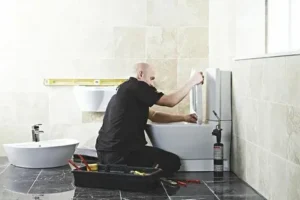
A client Trusted general contractor in Lancaster reached out when they noticed their newly renovated bathroom had water stains on the ceiling below after the first winter. The previous contractor had used standard drywall in a steam-prone area instead of cement board, had failed to slope the shower pan properly, and had skipped the waterproof membrane entirely. The fix required tearing out the shower, replacing the subfloor, and rebuilding with proper materials. The project cost nearly double what the original “budget” contractor had charged because the damage had spread to the joists and insulation.
Here is the objection most competitors never answer honestly: “How do I know you’re not going to disappear with my deposit?” The truth is, contractor fraud and abandonment are real issues in Pennsylvania’s residential construction market. A trusted general contractor carries proper licensing through the Pennsylvania Attorney General’s Office, maintains a physical local presence, and structures payments so that no more than 10-15% is due upfront. They also carry general liability and workers’ compensation insurance that you can verify directly with the carrier. Ask for their HIC registration number and check it before you sign anything.
How Joshuas Builders Inc Approaches It Differently
Most general contractors in the Lancaster area follow a familiar pattern: bid the job, start demolition, discover problems, issue change orders. Joshuas Builders Inc builds in a pre-construction assessment phase that most competitors treat as optional or bill separately. Before any walls come down, the team performs a full structural evaluation, identifies code compliance gaps, and sources materials with confirmed lead times. Only then do they finalize the scope and pricing.
What sets this approach apart in Lancaster specifically is the understanding of local soil and seasonal conditions. The clay soils common in this county retain water and shift dramatically between wet springs and dry summers. A foundation repair or addition built without accounting for seasonal moisture changes will crack within two years. The best general contractor for this market specifies drainage solutions, foundation depth, and backfill materials designed for exactly these conditions, not the sandy loam assumptions that work fine in coastal New Jersey.
Here is an insight generic articles never mention: the age and type of your home’s original mortar matters more Professional general contractor in Lancaster than almost anywhere else. The stone and brick construction common in this area used lime-based mortar that needs to breathe. Modern Portland cement mortar is harder than the original stone and traps moisture, accelerating freeze-thaw damage. A contractor who repoints historic masonry with the wrong material is destroying your walls from the inside out. This is the kind of local knowledge that separates experienced Lancaster builders from out-of-town crews who treat every home like suburban vinyl siding.
Practical Tips: What to Know Before You Decide
Working with clients in Lancaster, our team found that the homeowners who avoid the worst surprises share one habit: they get a independent structural assessment before committing to a contractor. Not the contractor’s own inspection, a third-party engineer’s report. It costs a few hundred dollars upfront and often reveals issues that change the project scope entirely. Knowing what you’re actually dealing with before you sign a contract prevents the change-order spiral that destroys budgets.
One local market-specific tip: Lancaster County has a unique mix of municipal jurisdictions, each with different permitting requirements. The city of Lancaster requires separate permits for electrical, plumbing, and structural work, while some townships bundle these under a single building permit. An affordable general contractor who works across the county already knows these differences and builds the permit timeline into their schedule. One who doesn’t will waste weeks figuring it out while your project stalls and your frustration builds.
Before signing a contract, verify these credentials:
- Pennsylvania Home Improvement Contractor (HIC) registration through the Attorney General’s Office
- General liability insurance with adequate coverage limits
- Workers’ compensation insurance for all employees
- Local references from completed Lancaster projects within the last two years
- A detailed written scope of work specifying materials, brands, and installation methods
Also, request lien waivers from every subcontractor and supplier at each payment milestone. Pennsylvania’s mechanics lien laws are strict, and unpaid subcontractors can file liens against your property even if you paid the general contractor in full.
Ready to Build? Start With the Right Foundation
A construction or renovation project general contractor is one of the biggest investments you’ll make in your property, but only if it is built with your home’s actual history and the local environment in mind. Start by defining what needs fixing and why. Get multiple estimates, but pay attention to how thoroughly each contractor asks about your home’s age, previous renovations, and soil conditions. The ones who dig into details before quoting are usually the ones who deliver work that lasts.
Conclusion
Joshuas Builders Inc offers general contractor services in Lancaster with a process built around pre-construction assessments, code compliance, and materials specified for local soil and weather conditions. If you are ready to stop worrying about whether your contractor understands what building in Lancaster actually requires, reach out for a consultation and get a clear picture of what your project actually involves.
FAQs
How long does a construction project take in Lancaster?
Most residential renovations in Lancaster take between 4 and 12 weeks depending on scope, permit timelines, and material availability. New construction or major additions typically run 4 to 8 months. Historic district review can add 2-4 weeks. Winter weather affects exterior work from December through March. A contractor who quotes unrealistically short timelines may be cutting corners on inspections or code compliance.
How much does a general contractor cost in Lancaster?
General contractor fees in Lancaster typically run 15-25% of total project cost on top of materials and labor. A mid-range kitchen or bathroom renovation might total $35,000-$75,000 including the contractor’s management fee. New construction often starts around $150-$250 per square foot depending on finish level and site conditions. Always get detailed, itemized estimates that separate labor, materials, and contractor fees.
How do I know a contractor is legitimate in Lancaster?
Verify their Pennsylvania HIC registration through the Attorney General’s Office website. Confirm active general liability and workers’ compensation insurance. Ask for local references from completed Lancaster projects within the last two years. A legitimate contractor maintains a physical local presence, has a traceable history in the community, and won’t pressure you to sign before you verify their credentials.
What materials hold up best in Lancaster’s climate?
Fiber-cement siding resists freeze-thaw damage better than wood or vinyl. Asphalt architectural shingles with adequate ice and water shield handle snow loads and wind. Pressure-treated lumber rated for ground contact is essential for decks and outdoor structures. Lime-based mortar, not Portland cement, should be used for repointing historic stone and brick. Always specify materials rated for Pennsylvania’s climate zone.
Do I need permits to renovate my home in Lancaster?
Yes, for structural, electrical, plumbing, HVAC, or exterior work. Lancaster County and individual municipalities require permits for roofing, additions, window replacements, and any work affecting the building envelope. Historic districts have additional review requirements. Your contractor should handle all permit applications and inspections as part of their service. Skipping permits voids insurance coverage and creates resale liability.