Need reliable water damage restoration services in Leona Valley? Learn what the process involves, damage types, cost factors, permits, and how to find the best water damage restoration company.
Water damage in Leona Valley, CA moves faster than most homeowners expect. A burst pipe overnight, a failed water heater, a roof leak that went unnoticed through two rainy seasons, or a slow plumbing leak behind a wall — each of these scenarios sets a damage progression in motion that the first 24 to 48 hours determine. The rural character of Leona Valley, with its properties spread across the northern Antelope Valley and the Angeles National Forest foothills, means that some homeowners are dealing with water damage situations without immediate local response options. Knowing what a professional restoration process actually involves — from moisture mapping through structural drying, mold prevention, and repair — helps you move with the right urgency and make better decisions about who you hire and what the work genuinely requires. Joshuas Builders Inc provides water damage restoration services in Leona Valley and the surrounding Los Angeles County communities, handling emergency response, structural drying, mold remediation, and full property repairs for residential and rural properties. Reliable Water damage restoration services in Leona Valley starts not with a truck in the driveway but with an accurate scope of the damage — and that scope requires professional moisture assessment, not a visual walk-through.
Why Leona Valley Homeowners Face Unique Water Damage Challenges
Leona Valley’s geography and the housing stock create a set of water damage conditions that are different from each other and from suburban L.A. or the San Fernando Valley. Homes in this area are often built on bigger lots, with older designs and town water and sewer systems that suburban home owners do not get.
California’s climate patterns increase seasonal threat. The months between November and March consist of bunches of rain that test the conditions of roofs, drainage systems, and foundation waterproofing on properties around the Antelope Valley foothills. As per the Insurance Information Institute (2023), the claims regarding frozen water and water damage are the second most filed claims of homeowners’ insurance in the United States after those of wind and hail damage. That stat is a real annual risk to Leona Valley homeowners not a theoretical scenario.
The Best Water damage restoration company services in Leona Valley understand rural property conditions — including well system interactions, septic proximity considerations in sewage backup events, and the extended response logistics that come with properties off paved roads in the Angeles National Forest corridor.
Types of Water Damage and Restoration Services
Not all water damage is the same, and the restoration approach differs significantly depending on the water source, the affected materials, and the duration of exposure. Understanding the categories helps you ask the right questions when a company arrives.
Category 1 (clean water) comes from a sanitary source — a supply line break, a water heater failure, or a dishwasher overflow. Clean water damage is the most straightforward to restore when addressed promptly. Left untreated for more than 48 to 72 hours, Category 1 water begins to degrade and migrate into Category 2 territory as it contacts materials and organic debris.
Category 2 (grey water) carries contamination from sources like washing machine overflow, toilet tank leaks, or roof leaks that have passed through building materials. Grey water requires personal protective equipment during extraction and specific antimicrobial treatment of affected surfaces and cavities.
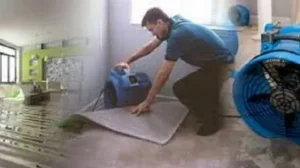
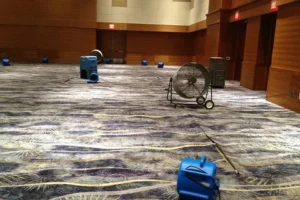
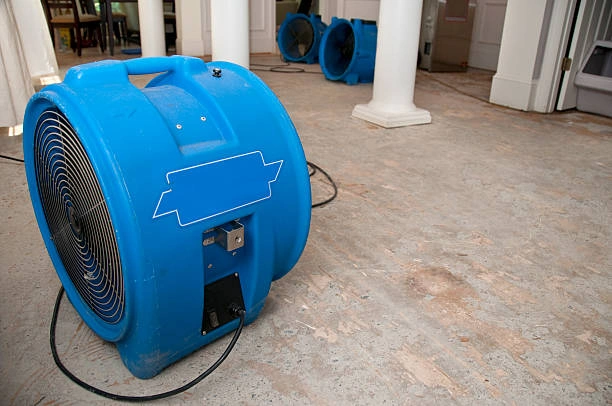
Structural drying services apply to all three categories after water extraction. Industrial air movers, dehumidifiers, and desiccant systems reduce moisture content in walls, subfloors, and structural framing to pre-damage levels. Monitoring equipment tracks drying progress daily until the structure reaches acceptable moisture content thresholds.
Water Damage Category and Restoration Comparison
| Damage Category | Water Source | Contamination Level | Extraction Method | Materials Typically Replaced |
| Category 1 (Clean) | Supply lines, appliances | None | Standard extraction | Minimal if dried promptly |
| Category 2 (Grey) | Appliance overflow, roof leak | Moderate | Extraction + antimicrobial | Drywall in wet zones |
| Category 3 (Black) | Sewage, floodwater | Severe | Full hazmat extraction | All porous materials contacted |
| Structural Drying | Follows all categories | Post-extraction | Air movers + dehumidifiers | Depends on moisture readings |
Cost Factors for Water Damage Restoration in Leona Valley
What actually drives the cost of Reliable Water damage restoration services in Leona Valley? Several specific variables shape each project’s total, and understanding them helps you read insurance estimates and contractor proposals accurately.
The water damage category is the most significant cost driver. Category 3 black water events involving sewage backup or flood water require full material replacement of all porous materials contacted — drywall, insulation, flooring, and sometimes structural wood — along with hazmat protocols that add labor cost at every phase. Category 1 clean water events addressed promptly cost far less because they allow in-place drying of many materials.
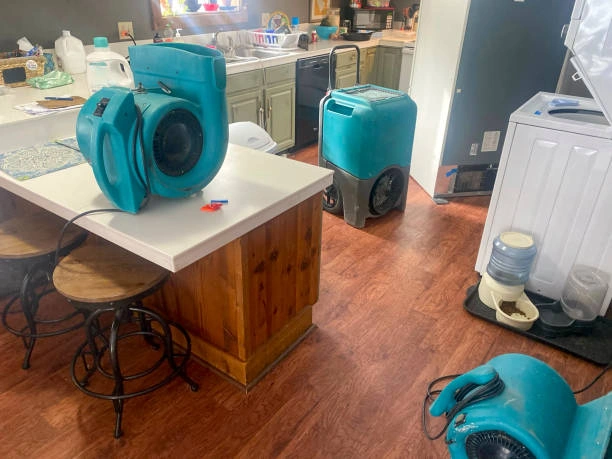
Affected area size and structural complexity shapes both equipment deployment and labor costs. A 200-square-foot bathroom leak costs less to dry and restore than a crawl space flood affecting the entire ground floor structure of a 2,000-square-foot rural home. Multi-level water migration — where water from an upper floor event travels through the subfloor into the level below — multiplies the affected area and the restoration scope.
Duration of exposure before discovery dramatically affects total cost. Leona Valley properties with extended vacancy or seasonal use sometimes harbor water damage that has progressed to mold growth before discovery. A water event dried within 24 to 48 hours rarely produces mold. The same event left undiscovered for two weeks almost always does — adding a mold remediation scope on top of the standard drying and repair costs.
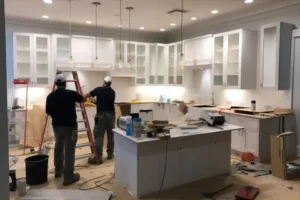
Structural repair scope adds to the total after drying and remediation. Replacing water-damaged drywall, insulation, flooring, and cabinetry — and obtaining the required building permits from Los Angeles County’s Department of Regional Planning for structural repairs — creates a second cost phase that follows the initial restoration work.
Conclusion
Water damage restoration in Leona Valley, California calls for an emergency response that mobilizes within hours of the damage happening. Also, we always begin with moisture mapping before we demolish anything. Further, we require structured drying to IICRC S500 standards. And finally, we have California licensed repair work once the actual structure is shown to have reached acceptable moisture content. The Antelope Valley foothill area is a rural location where the older plumbing system, crawl space, and distances make working with a locally experienced IICRC certified restoration company meaningfully different than calling a big national franchise operation. Water damage restoration services in Leona Valley that are reliable consistently produce better results and have fewer claim complications when homeowners check for IICRC certification and moisture documentation protocols before the arrival of extraction equipment.
FAQ’s
How much does water damage restoration cost in Leona Valley?
Costs depend on damage category, affected area size, duration of exposure before discovery, and whether mold remediation is needed alongside structural drying. Category 3 black water events requiring full material replacement cost significantly more than Category 1 clean water events addressed within 24 to 48 hours. Request itemized written estimates from IICRC-certified contractors that separate extraction, drying, demolition, and repair phases.
Does water damage restoration in Leona Valley require permits?
Water extraction and structural drying do not require building permits. Structural repairs that follow — replacing drywall, flooring, framing, or roofing — require permits from Los Angeles County’s Department of Regional Planning for properties in unincorporated areas like Leona Valley. The permit ensures code-compliant repairs and creates documented records that protect property value at future sales.
How does Leona Valley’s dry climate affect water damage and mold risk?
The Antelope Valley’s dry climate reduces ambient mold risk compared to coastal California, but it does not eliminate it. Wet building materials in enclosed wall cavities, crawl spaces, and subfloor areas maintain enough moisture for mold growth regardless of exterior humidity. Water damage events that go undetected for more than 48 to 72 hours can produce mold in any climate — prompt professional drying and moisture monitoring is the only reliable prevention.
How long does water damage restoration take in Leona Valley?
Standard structural drying for a contained event — Category 1 water in a bathroom or kitchen — typically takes three to five days to reach target moisture content levels. Larger events involving multiple rooms, crawl spaces, or Category 3 contamination take seven to fourteen days or longer for the drying phase alone. Structural repair work follows after drying completes and adds additional project time depending on scope.