Need professional commercial roofing contractors in California city? Learn what to look for, what roofs last longest, and how to pick the right team.
Have you ever looked up at your building’s roof and wondered when was the last time anyone checked it? Most business owners do not think much about their roof until something goes wrong. A small leak in the office ceiling. A drip during the rare desert rain. Or worse, a full failure that shuts the place down for a day. We have helped many local business owners get their roofs back in shape before things got bad. When you call Joshuas Builders Inc, you get a crew that climbs up, takes a real look, and gives you straight answers about what your roof really needs.
Living out here in the high desert means our roofs deal with stuff most other places never see. The summer sun beats down hard for months at a time. The winter brings cold snaps that crack old materials. And the wind picks up fast from the open valleys around us. So a roof that works fine in another state may not hold up here at all. Let’s talk about what makes a good commercial roof and how to spot the right team for your building.
Why Commercial Roofs Are Different From Home Roofs
A house roof and a business roof are not the same thing. Most homes have steep pitched roofs with shingles. Most commercial buildings have flat or low-slope roofs with very different materials. The skills needed to do one are not the same as the other.
Have you ever stood on a flat commercial roof? Water does not just run off like it does on a steep roof. It sits there until it drains or evaporates. So the way the roof is built matters more than just the material on top. Drains, slopes, and seams all need to be done right.
Older flat roofs around here often have tar and gravel surfaces. Newer ones use TPO, EPDM rubber, or modified bitumen. Each one has its own pros and cons. A good roofer knows when to fix what you have and when it is time for a full new system.
According to a 2024 report from the National Roofing Contractors Association, the commercial roofing market topped 27 billion dollars in the United States last year. That number shows how much building owners are spending to keep their roofs in shape. So you are not alone if you are thinking about a roof project.
Common Commercial Roof Problems We See
Business roofs fail in different ways than home roofs. Knowing the signs helps you catch trouble early before it costs real money. Here are the issues we run into most often on local buildings.
Pooled water sitting on a flat roof for days after a rain is a big one. The roof should drain within 48 hours. If yours does not, the standing water adds weight and breaks down the roofing material from the top down.
Cracked or split seams are another common find. Old roofs have many spots where two pieces of material meet. Sun and heat make these seams pull apart over time. Once water gets in, the wood under the roof starts to rot.
Blistered or bubbled spots show up on aging roofs too. These bubbles mean air or water got trapped under the top layer. Left alone, they pop and let in real water damage. A pro can patch small ones, but a roof with many of them often needs full replacement.
Have you been inside your building during a storm and heard dripping somewhere? That is the surest sign your roof needs help right now. Ignoring small leaks is the top reason small problems turn into huge repair bills.
What a Good Commercial Roof Job Includes
Many folks think a roof job just means slapping new material on top of the old one. The real work goes much deeper than that. A full commercial roof project covers every step from the first look to the final clean-up.
The first step is the inspection. A skilled crew climbs up, walks the roof, and checks every seam, drain, and edge. They take photos and write down what they find. This gives you a real list of what needs fixing.
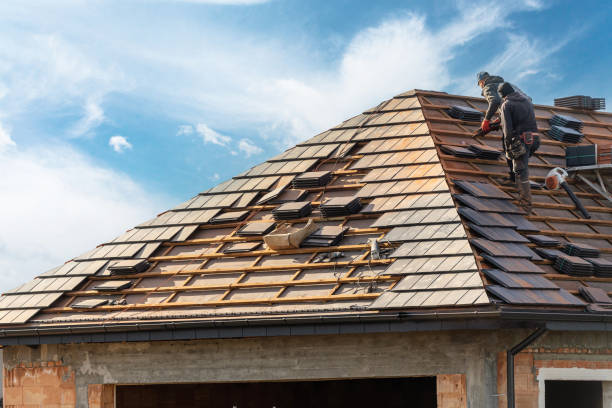
Next comes the tear-off if a full new roof is needed. Old materials come off in sections. The crew checks the deck underneath for rot or damage. Bad spots get replaced before any new roofing goes down. Skipping this step is a top reason for early roof failure.
After that, new insulation goes down where needed. Then the new roofing system gets installed in layers. Each layer has its own job. Some block water. Some hold the system in place. Some protect from sun damage.
Last comes the seam work and edge details. This is where skill really shows. A bad seam job means a roof that leaks within a year. A good one can last 20 years or more with normal care.
Common Commercial Roof Types
Not all commercial roofs are the same. Picking the right system for your building matters more than most folks think. Here is a quick look at the main types and what each one fits best.
| Roof Type | Lifespan | Best For | Watch For |
| TPO Single-Ply | 20-25 years | Most flat commercial roofs | Seam quality matters most |
| EPDM Rubber | 25-30 years | Hot climates, simple shapes | Less foot traffic resistance |
| Modified Bitumen | 15-20 years | Buildings with rooftop traffic | Heat install needs skilled crew |
| Built-Up (BUR) | 20-30 years | Older buildings, heavy use | Heavy weight on structure |
| Metal Standing Seam | 40-50 years | Sloped commercial roofs | Higher up-front cost |
| Spray Foam | 20-30 years | Odd shapes, lots of equipment | Needs UV coating every 5 years |
TPO is the most common pick for new commercial roofs in our area. It reflects the sun, holds up against our heat, and seams well when a pro installs it. EPDM is a close second for buildings with simple shapes and not much rooftop traffic.
A friend of mine owns a small shop in town. He had an old tar and gravel roof that leaked every winter. He had it replaced with TPO last year. He told me his cooling bills dropped about 15 percent the next summer because the white surface reflects so much more sun than the old dark one did.
How to Pick the Right Roofing Crew
Picking the right team trips up most business owners. Dozens of roofing crews show up online when you search. Picking one feels like flipping a coin. But a few clear checks make the choice much easier.
License is the first stop. California law requires roofing contractors to hold a C-39 license through the CSLB. This is different from a general contractor license. Ask for the C-39 number and check it on the state board website.
Insurance comes next. Roofing work is one of the most dangerous jobs in construction. The team must carry worker’s comp and general liability coverage. If a worker falls or someone damages your building, you do not want the bill on your shoulders.
Look for crews that focus on commercial work, not just home roofs. Working on a flat roof is a different skill than working on a pitched home roof. A team that does mostly residential jobs may not know how to handle your building right.
Folks looking for the best roofing contractors near me in California city should also ask for photos of past commercial jobs. A team that has done buildings like yours before will move faster and avoid the small mistakes that newer crews always make.
Red Flags to Walk Away From
Some warning signs should send you running. We have seen building owners get burned by bad crews many times. Knowing what to watch for can save you thousands of dollars.
Watch for storm chasers who show up after big weather events. These folks travel from state to state, knock on doors, push for fast contracts, and leave before any problems show up. A real local crew has a real office, a real truck with a name on it, and a list of past clients you can call.
No written warranty is a deal breaker. A real commercial roof job should come with both a materials warranty from the manufacturer and a workmanship warranty from the crew. Both should be in writing. Verbal promises mean nothing when a leak shows up two years later.
A 2023 study from the Insurance Information Institute found that roof damage made up over 40 percent of all commercial property insurance claims. Most of these came from poor install work or weak materials picked to save money up front. So smart choices early save a lot of pain later.
Have you been pressured to sign a contract on the spot? That is sales talk, not contractor talk. A real pro lets you take your time, gives you a clear written quote, and answers your questions before asking for any money.
Care Tips That Make Roofs Last Longer
A good commercial roof can last 20 years or more with normal care. The work does not stop the day the crew packs up. Simple steps each year add years to the life of your roof.
Have a pro inspect the roof twice a year. Spring and fall are the best times. Catching small problems early is far cheaper than fixing big damage later. Most leak claims start as small issues that nobody noticed for months.
Keep drains clear of leaves, dust, and debris. Standing water is the number one cause of early roof failure on flat buildings. A 30-minute cleanup once a season can add years to your roof’s life.
Watch for HVAC and other rooftop equipment that may have been added over time. Each one creates new spots where water can get in around the seals. A good roofer checks all these spots during every inspection.
Conclusion
A solid commercial roof keeps your business safe through every season. Picking the right crew makes all the difference between a roof that lasts 25 years and one that fails in 8. Our team brings the right gear, the right know-how, and a friendly face to every job we take. Business owners across our area count on us for professional commercial roofing contractors in California city with honest quotes and clean work. Give us a call when you are ready to talk about your roof, and we will walk through your options with you on site.
FAQs
How long does a commercial roof replacement take?
Most commercial roofs can be done in 1 to 3 weeks depending on the size of the building. Smaller buildings under 5,000 square feet often finish in a week. Bigger buildings with complex shapes take longer. Bad weather can also add time, so plan ahead during dry months when you can.
Do I need a permit for commercial roof work in California?
Yes, almost every commercial roofing project in our state needs a permit. Tear-offs, new installs, and even some repairs all fall under this rule. Skipping the permit can cause big problems with insurance or when you try to sell the building. A good crew handles the permit work as part of the job.
Can my business stay open during a roof job?
Most of the time, yes. The crew works above while you keep running your business below. Some days may be louder than others, and parking spots near the building may be blocked for trucks. A good team plans the work around your busy hours when possible.
Will my business insurance pay for a new roof?
Many plans cover roof damage from sudden events like big windstorms or hail. Normal aging and wear usually do not qualify. A pro roofer can do a free check and help you file a claim if storm damage caused the issue. Always take photos of damage before any work starts.
How can I make my commercial roof last longer?
Have a pro inspect it twice a year. Keep all drains clear. Trim back tree branches that hang over the building. Fix small issues like cracked seams right away before they grow. Simple care like this can add 5 to 10 years to your roof’s life and save big repair bills down the road.
Most commercial roofs can be done in 1 to 3 weeks depending on the size of the building. Smaller buildings under 5,000 square feet often finish in a week. Bigger buildings with complex shapes take longer. Bad weather can also add time, so plan ahead during dry months when you can.
Yes, almost every commercial roofing project in our state needs a permit. Tear-offs, new installs, and even some repairs all fall under this rule. Skipping the permit can cause big problems with insurance or when you try to sell the building. A good crew handles the permit work as part of the job.
Most of the time, yes. The crew works above while you keep running your business below. Some days may be louder than others, and parking spots near the building may be blocked for trucks. A good team plans the work around your busy hours when possible.
Many plans cover roof damage from sudden events like big windstorms or hail. Normal aging and wear usually do not qualify. A pro roofer can do a free check and help you file a claim if storm damage caused the issue. Always take photos of damage before any work starts.
Have a pro inspect it twice a year. Keep all drains clear. Trim back tree branches that hang over the building. Fix small issues like cracked seams right away before they grow. Simple care like this can add 5 to 10 years to your roof’s life and save big repair bills down the road.