Dealing with water damage in Palmdale CA? Here is what to expect from a real restoration company, from first call to final cleanup.
Water damage is one of those things nobody plans for. You go to bed with a normal house, you wake up to find the kitchen ceiling sagging from a pipe leak overhead. Or you come home from work to a flooded bathroom because the washing machine hose burst three hours ago. Or a heavy storm pushes rain in through a roof leak you never even knew was there. We have seen all of these and plenty more.
If you live in Palmdale, you might think water damage is less of a worry out here in the high desert. We hear that a lot. But the truth is, water damage happens in dry climates too, just from different sources. Burst pipes during cold snaps. Slab leaks under foundations. Plumbing failures in older homes. Flash flooding during winter rains. The team at Joshua’s Builders has handled plenty of water damage jobs across the Antelope Valley, and we want to walk you through what really happens when you call a restoration crew.
Why Water Damage Gets Worse the Longer You Wait
Time is the enemy with water damage. The first 24 hours are critical. Wet drywall, soaked carpet, and damp subflooring all start growing mold within 24 to 48 hours in most climates. Even in dry Palmdale, the humidity trapped inside walls can hit the level mold needs to thrive.
A 2024 report from the Insurance Information Institute showed that water damage claims cost an average of $13,954 per incident, but claims handled within 24 hours averaged 35% less than ones where homeowners waited a few days. That gap comes from mold, swelling wood, ruined cabinets, and warped flooring that all could have been saved if dried out fast enough.
Have you ever pulled up a wet rug and noticed that musty smell underneath? That smell is the first sign of mold growth starting. The longer water sits, the bigger the repair bill gets.
The First Call and What Happens Next
When you call a restoration company, the first questions are usually quick ones. What is the source of the water? Is it still flowing? Is anyone hurt? Where in the home is the damage? A good crew can usually be on site within an hour or two for emergencies in Palmdale.
Once they arrive, the work follows a pretty clear order. Stop the source. Assess the damage. Extract the water. Dry everything out. Treat for mold. Repair what cannot be saved.
That sounds simple but each step has real depth to it. Stopping the source might mean shutting off a water main, capping a broken pipe, or tarping a damaged roof. Assessing the damage means using moisture meters and thermal cameras to see how far the water has spread inside walls and under floors. Water moves in surprising ways and often shows up two or three rooms away from the source.
A Look at the Restoration Stages
Here is a side by side of the main stages and what each one involves:
| Stage | What Happens | Typical Time | What Gets Used |
| Water removal | Extract standing water | 4-12 hours | Pumps, wet vacs |
| Drying | Pull moisture from walls and floors | 3-5 days | Dehumidifiers, air movers |
| Mold treatment | Sanitize affected areas | 1-2 days | Antimicrobials, HEPA vacs |
| Demo | Remove unsalvageable materials | 1-3 days | Hand tools, dumpsters |
| Rebuild | Replace drywall, flooring, paint | 1-3 weeks | Standard construction |
Most water damage jobs in Palmdale take two to four weeks from start to finish, depending on how much water hit and how fast someone called the crew.
The Drying Phase Is Where Crews Earn Their Pay
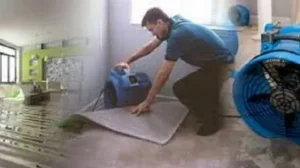
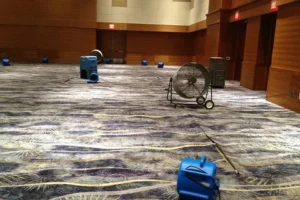
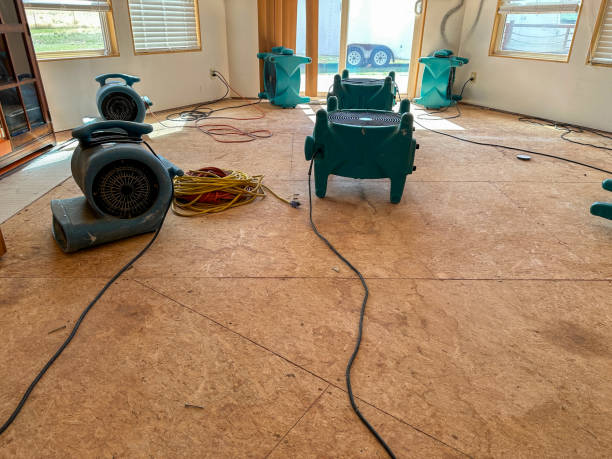
People underestimate how long real drying takes. A wet wall does not just need a fan blowing on it for a day. The water has soaked into the drywall, the studs, the insulation, and sometimes the subfloor. Drying that out properly takes industrial dehumidifiers running 24 hours a day for three to five days, sometimes longer.
This is where shortcut crews mess up. They run a couple fans for a day, declare it dry, and rebuild over the top of moisture still hiding in the walls. Two months later, the homeowner notices a musty smell, peels back the new paint, and finds black mold spreading behind the drywall. We have been called in to fix this kind of botched job more times than we can count.
A real drying phase uses moisture meters at every check-in. The crew measures the studs, the drywall, the subfloor, and only declares the area dry when readings drop below 16% moisture. Anything higher means more drying is needed before the rebuild can start. The team that handles Best Water damage restoration services in Palmdale, CA should walk you through these readings so you know exactly what is happening.
Insurance and Documentation
Most water damage claims go through homeowners insurance, and the paperwork matters. A good restoration company documents everything with photos, moisture readings, and itemized estimates that match what insurance adjusters need to see.
The National Association of Insurance Commissioners reported that water damage and freezing account for nearly 24% of all homeowners insurance claims, second only to wind and hail damage. So the process is well-worn for insurance companies, but they still need clear documentation to approve full coverage.
Tips we always pass on to homeowners:
- Take photos of everything before any work starts
- Save receipts for hotel stays if your home is uninhabitable
- Keep a written log of when you called the restoration crew
- Do not throw away damaged items until the adjuster sees them
- Get the cause-of-loss confirmed in writing
Insurance companies sometimes try to deny claims for slow leaks, calling them “maintenance issues” instead of sudden damage. Documentation helps you push back when that happens.
A Story From a Palmdale Job
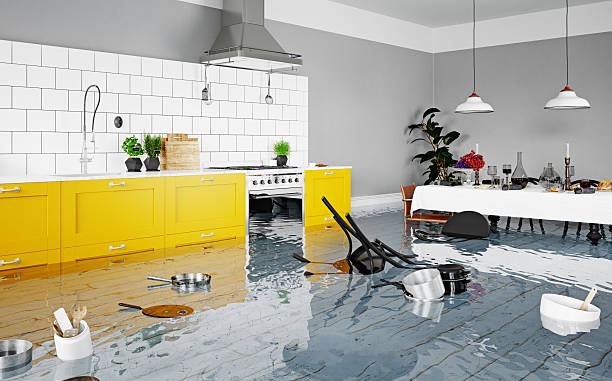
We got a call about a year ago from a family in Palmdale who came home from a weekend trip to find their kitchen flooded. The fridge water line had ruptured three days earlier while they were gone. Water had spread through the kitchen, into the dining room, and down into the crawl space below.
When we walked in, the laminate flooring was bubbled up like a parking lot full of speed bumps. The drywall along two walls was sagging. The whole house smelled like wet cardboard. The homeowner thought they could maybe dry it out themselves with some fans.
We laid out the actual scope. Full demo of the kitchen flooring, lower two feet of drywall on the affected walls, removal of the dishwasher and the lower cabinets because water had gotten behind them, and a four-day dry-out phase before any rebuild could start. Total project came in around $18,000, mostly covered by insurance. They told us afterward they were glad they called us right away because every contractor they talked to later said the damage would have doubled if they had waited another week.
Mold and Why It Matters
Mold is the silent threat after water damage. It does not need much to start growing. A little moisture, a little organic material like drywall paper or wood, and 24 to 48 hours of warmth. Once it takes hold, it spreads through wall cavities and into HVAC systems.
The CDC has linked household mold exposure to asthma, allergies, and respiratory infections, especially in kids and older folks. So mold remediation is not just about property damage. It is about health.
A real restoration crew treats every water-damaged area with antimicrobial cleaners. They cut out drywall that has been wet for more than 48 hours. They wear proper protective gear during demo to keep mold spores from spreading. Shortcuts here cause problems that show up months later.
Wrapping It Up
Water damage is one of those problems that gets worse with every hour you wait. A quick call to a real restoration crew can save you thousands of dollars and weeks of headache compared to trying to handle it yourself. Look for a crew that documents everything, uses real moisture meters, handles insurance paperwork properly, and treats for mold even when the damage looks minor. The right team makes a stressful situation manageable, and the wrong team turns a small leak into a major rebuild. If you want help from an Expert Water damage restoration company in Palmdale, CA, our crew is on call when you need us.
Frequently Asked Questions
How fast do I need to call a water damage crew after a leak?
Within the first 24 hours, ideally within the first six. Mold starts growing in 24 to 48 hours in most homes, and wet materials become much harder to save the longer water sits. A fast call often makes the difference between a $5,000 cleanup and a $20,000 rebuild.
Does homeowners insurance cover water damage in Palmdale?
Most policies cover sudden water damage from things like burst pipes, appliance failures, and storm leaks. They usually do not cover slow leaks that built up over months or flood damage from rising water, which needs separate flood insurance. Always read your policy or call your agent right away to confirm coverage.
How long does the whole restoration process take?
Most jobs run two to four weeks from start to finish. The drying phase takes three to five days, demo takes one to three days, and the rebuild takes one to three weeks depending on what needs replacing. Bigger losses with structural damage can stretch to two or three months.
Can I stay in my home during water damage restoration?
That depends on how much of the home is affected and which rooms. Small leaks in a single bathroom usually let you stay home. Major flooding affecting kitchens, multiple rooms, or HVAC systems often means moving out for a week or two. Insurance usually covers temporary housing costs in those cases.
What is the difference between water damage restoration and just cleanup?
Cleanup means removing the water and drying surface areas, often what a regular cleaning service offers. Restoration means full damage assessment, structural drying with industrial equipment, mold prevention, demo of unsalvageable materials, and rebuilding back to original condition. Real restoration crews carry certifications like IICRC that prove they handle the full scope.
Within the first 24 hours, ideally within the first six. Mold starts growing in 24 to 48 hours in most homes, and wet materials become much harder to save the longer water sits. A fast call often makes the difference between a $5,000 cleanup and a $20,000 rebuild.
Most policies cover sudden water damage from things like burst pipes, appliance failures, and storm leaks. They usually do not cover slow leaks that built up over months or flood damage from rising water, which needs separate flood insurance. Always read your policy or call your agent right away to confirm coverage.
Most jobs run two to four weeks from start to finish. The drying phase takes three to five days, demo takes one to three days, and the rebuild takes one to three weeks depending on what needs replacing. Bigger losses with structural damage can stretch to two or three months.
That depends on how much of the home is affected and which rooms. Small leaks in a single bathroom usually let you stay home. Major flooding affecting kitchens, multiple rooms, or HVAC systems often means moving out for a week or two. Insurance usually covers temporary housing costs in those cases.
Cleanup means removing the water and drying surface areas, often what a regular cleaning service offers. Restoration means full damage assessment, structural drying with industrial equipment, mold prevention, demo of unsalvageable materials, and rebuilding back to original condition. Real restoration crews carry certifications like IICRC that prove they handle the full scope.