Get fast, reliable help with the best water damage restoration in Leona Valley. Learn response steps, costs, and how to protect your home after flooding.
Water is seeping into your living room. The carpet is soaked, the drywall is darkening, and you are not sure whether to grab a shop vac or call for help. When flooding hits your home, every minute matters. Finding the best water damage restoration in Leona Valley means locating a crew that responds quickly, understands the local terrain and building conditions, and does not disappear after the initial cleanup. Joshuas Builders Inc has been helping homeowners through water recovery long enough to know where the process stalls and how to keep it moving. This article shares what to do in the first hours and days after water damage.
What Water Damage Restoration Actually Involves
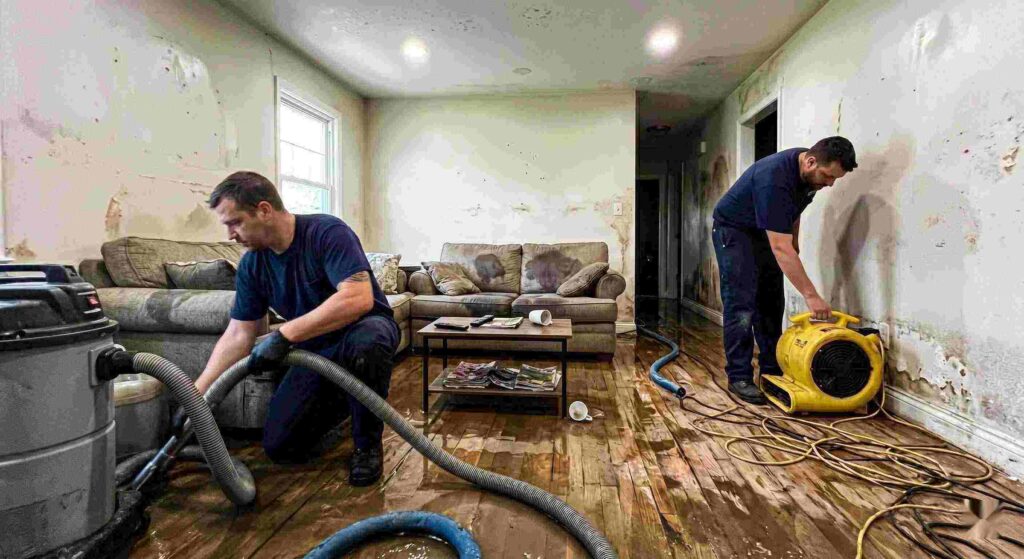
Water damage restoration is the professional process of returning a water-affected property to its pre-loss condition. It includes emergency water extraction, moisture detection and mapping, structural drying with commercial dehumidifiers and air movers, removal of damaged materials that cannot be salvaged, antimicrobial treatment to prevent mold and bacterial growth, and documentation for insurance claims. The goal is to stop ongoing damage and create a clear path toward full repair.
Trusted water damage restoration in Leona Valley, we’ve noticed that most homeowners assume the visible water is the main problem. In reality, the water you cannot see causes the most expensive damage. It seeps into wall cavities, soaks insulation, wicks up drywall, and pools in subfloors. Left untreated, it creates mold colonies within 24 to 48 hours in our warm, dry climate that can still harbor moisture in hidden spaces. A proper emergency response addresses both the surface water and the hidden moisture behind walls and under floors.
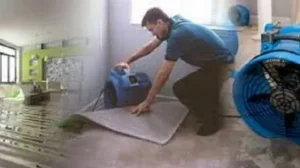
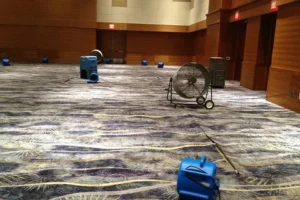
The equipment used matters. Truck-mounted extractors remove standing water faster than portable units. Thermal imaging cameras locate moisture pockets that the eye cannot see. Commercial-grade dehumidifiers pull humidity out of the air and building materials, preventing secondary damage. Air movers create airflow across wet surfaces to speed evaporation. Without this equipment, a home might feel dry on the surface while rot and mold develop underneath.
The Real Challenge in Leona Valley
Leona Valley’s high desert location in the Antelope Valley creates a unique flood risk profile that surprises many residents. The area sits at approximately 3,000 feet elevation with a semi-arid climate that receives most of its rainfall during winter storms and occasional summer thunderstorms. When rain does come, it often arrives in intense bursts on hard, compacted desert soil that cannot absorb it quickly. Flash flooding follows, sending water into homes through foundation cracks, window wells, and door thresholds. The dry heat then accelerates evaporation on the surface while trapping moisture inside walls, creating perfect conditions for hidden mold growth.
A client Professional water damage restoration in Leona Valley reached out when their living room flooded during a winter storm. They had called a general handyman who extracted the standing water and set up a few box fans. Three weeks later, the carpet smelled musty and the baseboards were warping. Our crew found moisture readings above 20 percent in the drywall behind the paneling and active mold growth in the insulation. The handyman’s response had addressed the visible problem while leaving the structural damage to worsen. We had to remove the finished walls, treat the framing, and rebuild from the studs up. The homeowner’s insurance initially denied part of the mold claim because the delay had allowed the damage to spread.
Here is the objection most competitors never answer honestly: not every water damage situation requires a full tear-out. Sometimes targeted drying, dehumidification, and selective material removal is enough. Other times, the water has been sitting long enough or has reached deep enough that full demolition is the only safe option. Companies that push maximum demolition on every job are padding their revenue. Companies that refuse to remove anything are risking your health and your home’s structural integrity. An honest assessment tells you exactly what needs to come out and what can be saved.
How Joshuas Builders Inc Approaches It Differently
Joshuas Builders Inc responds with a full moisture mapping process before any demolition begins. We use thermal imaging and penetrating moisture meters to determine exactly where the water traveled, how deep it went, and which materials are salvageable. Skipping that assessment means either removing too much or too little, and both mistakes cost the homeowner money.
We also understand Leona Valley’s specific flood patterns and building conditions. Many homes in this area sit on slab foundations or raised foundations with minimal moisture barriers, which means groundwater intrusion travels differently than in homes with full basements. The combination of desert soil, seasonal rainfall, and temperature swings creates unique drying challenges. Our protocols account for these local conditions rather than applying a one-size-fits-all approach developed for humid coastal climates.
Working with clients Affordable water damage restoration in Leona Valley, our team found that homeowners often do not realize their insurance policy limitations until after the damage happens. Standard homeowners policies cover sudden internal water damage from burst pipes or appliance failures. External flooding from storms or overflowing drainage typically requires separate flood insurance. Most generic water damage articles never mention this distinction, but it directly determines whether your claim gets paid or denied. We help homeowners document damage correctly for their specific policy type from day one.
Practical Tips: What to Know Before You Decide
Before you call a professional water damage restoration crew in Leona Valley, understand these critical points.
Document everything before anyone moves or removes anything. Take photos and videos of the water, the damaged items, and the affected areas from multiple angles. Your insurance adjuster will need this evidence, and the cleanup crew’s documentation might not capture everything from your perspective. Start a written log with timestamps of when you discovered the damage and when each vendor arrived.
Ask about the drying timeline and monitoring process. A legitimate restoration company sets moisture benchmarks and returns daily or every other day to check progress with meters. They do not simply set up equipment and return a week later. If moisture levels are not dropping as expected, they adjust the equipment placement or add more units. Passive drying without active monitoring is a red flag.
Verify what happens to your personal belongings. Some companies include content cleaning and pack-out services, moving salvageable items to a climate-controlled facility for cleaning and storage during restoration. Others focus only on the structure and leave you to handle your possessions. Know what is included before work begins.
One local market-specific tip: if your Leona Valley home has a raised foundation with a crawl space, ask your contractor to inspect the area beneath the house for moisture intrusion. Desert flash flooding often enters crawl spaces through vents or foundation cracks, and the dry air above can mask significant water accumulation below. A contractor who only checks the living space and ignores the crawl space is missing half the picture. That hidden moisture destroys floor joists, insulation, and subflooring over time.
What to Expect During Recovery
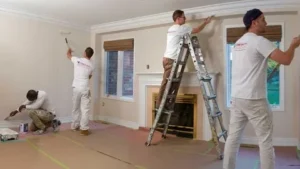
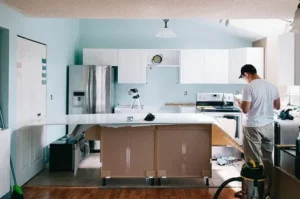
A proper water damage restoration response should give you a dry, sanitized home with clear documentation for your insurance claim and a roadmap for any necessary repairs. The immediate crisis ends when the moisture readings return to normal levels, damaged materials are removed, and the space is treated to prevent mold. The longer recovery phase involves rebuilding, which might include drywall replacement, flooring installation, painting, and fixture reinstallation.
Conclusion
If you are dealing with water damage and need trusted restoration help in Leona Valley, act quickly but choose carefully. The company you call in the first hours sets the tone for your entire recovery. Joshuas Builders Inc handles water damage restoration throughout Leona Valley with the understanding that every home, every flood, and every insurance situation is different. Reach out for an immediate assessment, and we will tell you exactly what your property needs and what the path forward looks like.
FAQs
How much does water damage restoration cost in Leona Valley?
Emergency water extraction and drying typically costs $1,500 to $5,000 for a standard residential job. Extensive damage requiring demolition, mold remediation, and reconstruction can reach $10,000 to $30,000 or more. Most reputable companies work directly with insurance and provide detailed documentation for claims.
How do I know a water damage restoration company is legitimate?
Check for IICRC certification, which is the industry standard for water damage restoration. Verify general liability insurance and ask for local references. A legitimate company responds quickly, explains their process clearly, provides a written estimate, and does not demand full payment upfront before work begins.
How long does the drying process take after a flood?
Most residential drying jobs take three to five days with proper equipment. Severe flooding or water that sat for more than 24 hours before response may take seven to ten days. The company should monitor moisture levels daily and adjust equipment until readings return to normal range.
Will my homeowners insurance cover flood damage in Leona Valley?
Standard homeowners policies cover sudden internal water damage from burst pipes or appliance failures. External flooding from storms, flash floods, or sewer backup typically requires separate flood insurance or specific endorsements. Check your policy details and ask your agent before assuming coverage.
Can I stay in my home during water damage cleanup and drying?
It depends on the extent of damage and which areas are affected. Minor water damage in one room might allow you to stay with some inconvenience. Extensive flooding affecting multiple rooms, electrical systems, or creating mold risk usually requires temporary relocation. Your contractor and insurance adjuster can advise based on your specific situation.